
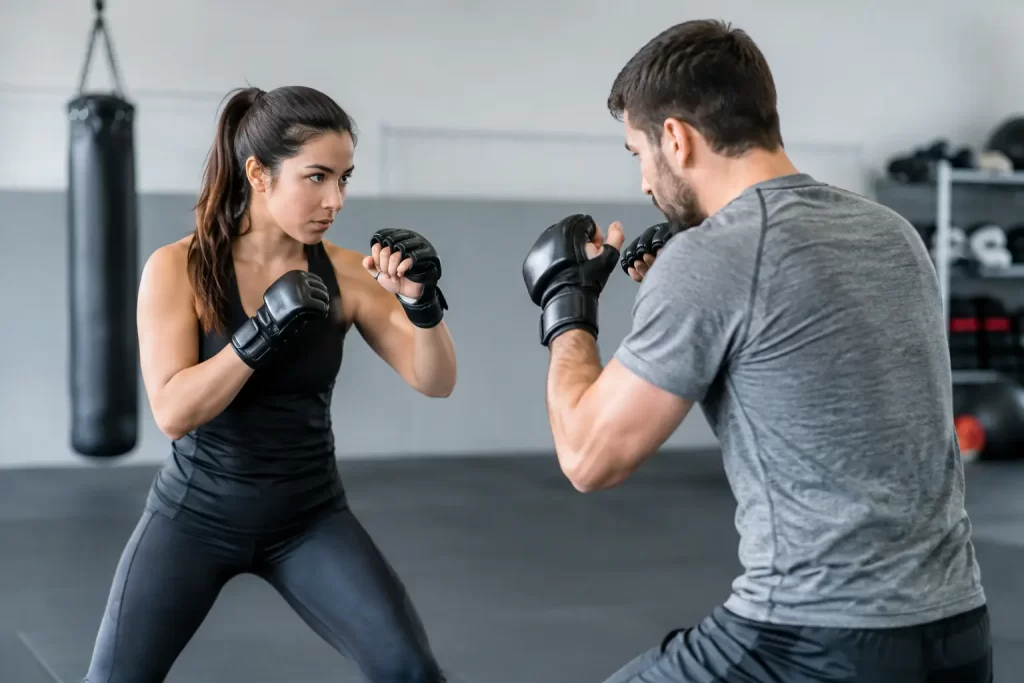
Walking into an MMA gym for the first time can feel intimidating. You may see people hitting pads, wrestling against the wall, or moving through rounds that look fast and demanding. So, can beginners train MMA safely? Yes, when the gym has qualified coaching, a structured beginner path, and a culture that values control over ego.
Mixed martial arts brings together striking, grappling, conditioning, and practical self-defense skills. That does not mean a new student is expected to fight on day one. Good beginner training starts with fundamentals, builds fitness gradually, and teaches people how to work with a partner responsibly.
Can Beginners Train MMA Safely? It Depends on the Environment
MMA itself is not automatically unsafe, but the way it is taught makes a major difference. A beginner needs instructors who can separate learning from competing. The goal of an early class is not to prove toughness. It is to learn stance, movement, balance, basic striking mechanics, positional awareness, and how to communicate with training partners.
A well-run academy gives new students clear direction. Coaches demonstrate techniques, explain the purpose behind them, and watch closely as students practice. They also match partners appropriately and step in when pace or pressure gets out of hand.
That structure matters because beginners are still learning their own limits. A person who has never thrown a punch on pads may fatigue quickly. Someone new to grappling may tense up when they are pinned. Neither reaction is a failure. It is simply where training begins. With patient instruction and consistent attendance, coordination, conditioning, and confidence improve together.
Start With Skill Before Intensity
The safest way to begin MMA is to earn intensity through sound habits. Beginners do not need full-contact sparring to make real progress. In fact, too much intensity too soon often slows development because students become anxious, overly tense, or injured before they have learned the basics.
Early sessions should focus on controlled drilling. You might practice how to stand correctly, throw a jab with balance, defend a simple takedown, escape from the bottom, or hold pads for a teammate. These repetitions teach timing and body awareness without forcing you into a chaotic situation.
Conditioning also builds over time. MMA training can be demanding, but a smart coach will give options for different fitness levels. A working parent returning to exercise, for example, should not be trained exactly like an experienced athlete preparing for competition. Both can work hard, but their pace, volume, and recovery needs are different.
Consistency beats the occasional all-out workout. Two or three focused sessions each week will do more for your fitness and skill than pushing so hard in one class that you need weeks to recover.
Controlled Contact Is Part of Learning
MMA includes contact, and students should understand that honestly. Learning to manage distance, receive light contact calmly, and use protective equipment correctly are valuable parts of combat-sports training. But controlled contact is very different from being thrown into a hard round with someone much larger or more experienced.
When sparring is introduced, it should be purposeful. Coaches may set limits such as light punches only, body shots only, technical grappling rounds, or positional drills that begin in a specific situation. Those boundaries help students learn without turning every round into a test of pride.
A good training partner helps you improve. They do not try to overwhelm you just because you are new. You should be able to say, “Can we slow it down?” or “Let’s keep it light,” and expect that request to be respected immediately.
What a Safe Beginner MMA Class Looks Like
Safe training is usually easy to recognize once you know what to look for. The room is organized, students listen when coaches speak, and people are encouraged to train with control. There is effort and discipline, but there is also respect.
Classes generally begin with a warm-up that prepares the body for movement. From there, the instructor teaches a limited number of techniques rather than rushing through dozens of moves. Students drill with partners, receive corrections, and have time to ask questions. At the end, conditioning or controlled live practice may be included based on the class level.
The best academies make safety a shared responsibility. Coaches set the standard, but students also protect one another by trimming nails, wearing clean gear, tapping early in submissions, and avoiding reckless behavior. In grappling, tapping is not quitting. It is a smart signal that prevents an unnecessary injury and allows both people to keep training.
Clean mats and equipment matter, too. Combat sports are close-contact activities, so a professional gym should take hygiene seriously. Students should wear clean training clothes, cover cuts, and stay home when they are sick or have a contagious skin issue.
Sparring Is Optional at First, Not a Requirement for Belonging
Many people avoid MMA because they assume they will have to get punched right away. That is not how a beginner-friendly program should work. You can learn striking through shadowboxing, bag work, pad work, defensive drills, and carefully supervised partner exercises before you ever spar.
The same is true for grappling. You can build confidence through positional drills and technical rolling at a controlled pace. Live rounds can be useful because they teach you how techniques work against resistance, but they should be introduced when you are ready, not when you feel pressured.
There is a trade-off. Avoiding all resistance forever can limit your ability to apply what you learn. On the other hand, rushing into hard sparring can create injuries and bad habits. The right path is gradual exposure: practice the skill, add a cooperative partner, add light resistance, then build from there with coach guidance.
How Beginners Can Protect Themselves
Your coach and gym should create a safe environment, but you also have a role in your progress. Be honest about previous injuries, medical conditions, and your current fitness level. If you have concerns about your knees, shoulders, back, or concussion history, speak up before class and consult a medical professional when appropriate.
Listen to your body, especially during the first few weeks. Normal muscle soreness is different from sharp pain, dizziness, joint instability, or symptoms that worsen after training. Resting when needed is part of disciplined training, not a lack of commitment.
Choose gear that fits and use it correctly. Gloves, hand wraps, a mouthguard, shin guards, and appropriate athletic clothing can make training more comfortable and reduce preventable injuries. Your academy can help you understand what equipment is needed for the classes you attend, so there is no need to buy everything at once.
Most of all, leave ego outside the gym. You do not need to win drills, force submissions, or keep up with the most experienced person in the room. Ask questions. Tap early. Take breaks. Learn the basics well.
Finding the Right MMA Academy in North Houston
Before joining any MMA program, visit the facility and watch how instructors interact with newcomers. Are beginners given attention? Do experienced students train with control? Does the coach correct unsafe behavior quickly? The answers tell you more than a tough-looking workout ever could.
At Champions BJJ, beginners are welcomed into a structured training environment where experienced instruction, practical skill development, and a supportive community work together. Whether your goal is self-defense, weight loss, stress relief, confidence, or serious combat-sports progress, your starting point should match your current ability.
Adults are not the only people who benefit from that approach. For kids, martial arts training can build coordination, discipline, respect, and confidence when classes are age-appropriate and closely supervised. Parents should look for instructors who balance positive encouragement with clear boundaries and teach children that control is a sign of strength.
Your first class does not have to be a test. It can simply be the first step toward feeling stronger, moving better, and joining a community that wants to see you improve. Start at your level, train with good people, and let steady progress build the confidence that brought you through the door.
