
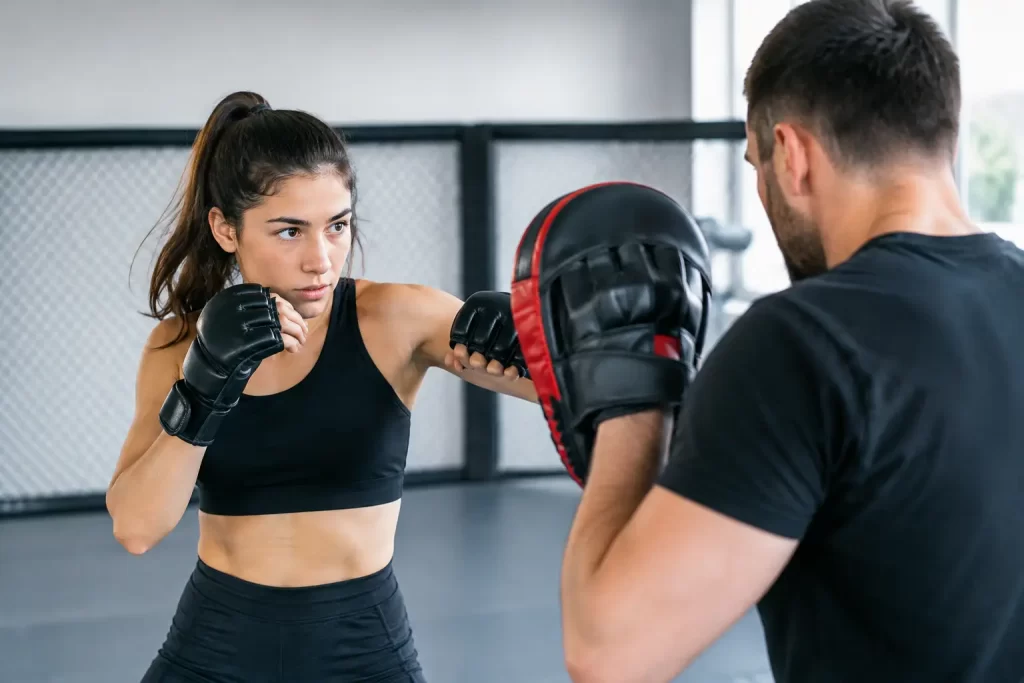
The first time you step into an MMA class, you may feel like everyone already knows what to do. They do not. Good MMA coaching meets you where you are, whether you are working a heavy bag for the first time, returning to fitness after years away, or preparing to compete. The goal is not to make you look like a professional fighter on day one. It is to help you build real skills, better conditioning, and confidence through consistent, structured training.
Mixed martial arts combines striking, clinch work, takedowns, and ground fighting. That can sound intimidating, especially for adults who have never trained and parents considering martial arts for their child. In the right academy, it is taught in a progressive, controlled environment where safety, respect, and personal growth come first.
What MMA Coaching Should Teach You
Quality MMA coaching is more than putting on gloves and doing a hard workout. Fitness matters, but training should also give you a clear understanding of how to move, defend yourself, manage distance, and stay composed under pressure.
A well-rounded program connects several disciplines. Boxing develops footwork, head movement, timing, and clean punches. Kickboxing adds kicks, knees, defensive range, and conditioning. Brazilian Jiu-Jitsu teaches control, escapes, submissions, and how to handle a situation when it reaches the ground. Wrestling-style takedown and clinch training helps connect those skills.
The value is in how these pieces are coached together. A student should understand not only how to throw a punch or attempt a takedown, but when each option makes sense and what happens next. That takes patient instruction, repetition, and training partners who want to help one another improve.
For many people, the biggest early win is not a new technique. It is realizing that they can stay calm while learning something difficult. That confidence carries into work, school, parenting, and daily life.
The Difference Between Hard Training and Smart Training
MMA is demanding. You will sweat, get tired, and have days when a drill feels awkward. But hard training should not mean being thrown into uncontrolled sparring or being expected to keep up with advanced athletes before you have learned the basics.
Smart coaching builds intensity over time. Beginners usually start with stance, movement, basic defense, controlled pad work, simple grappling positions, and light partner drills. As balance, awareness, and conditioning improve, training can become more complex.
Sparring is one example of why the coaching environment matters. It can be valuable for developing timing, decision-making, and composure, but it should be supervised and matched to the student’s experience and goals. Not everyone wants to compete, and not every class needs hard sparring. A working professional may train to relieve stress and improve fitness, while a competitor may need a more demanding fight camp. Both deserve coaching that fits their purpose.
The best programs make room for serious athletes without making beginners feel like they are in the way. You should be challenged, but you should also know why you are doing each drill and how it supports your progress.
How MMA Coaching Builds Everyday Fitness
A typical commercial gym can give you equipment. MMA training gives you a reason to use your body with purpose. Drilling combinations, defending takedowns, holding positions, and moving with a partner challenge strength, cardio, mobility, coordination, and mental focus at the same time.
That variety helps many people stay consistent. Instead of counting down minutes on a treadmill, you are learning a skill. One class may focus on boxing combinations and movement. Another may include kickboxing rounds, takedown entries, or grappling escapes. Your body works hard, but your mind stays engaged.
Results depend on attendance, effort, sleep, nutrition, and your starting point. MMA training is not a shortcut, and no honest coach should promise instant transformations. Still, regular classes can support weight-loss goals, stronger conditioning, improved mobility, and healthier routines. The most powerful benefit is often consistency: you begin showing up because teammates and coaches expect to see you.
Confidence Comes From Competence
Real confidence is not loud. It is the steady feeling that comes from knowing you can handle discomfort, learn from mistakes, and keep going when something is hard.
MMA gives students regular opportunities to practice that mindset. You may struggle with a technique, ask a question, try again, and finally feel the movement click. You may complete a difficult round without quitting. You may train with someone more experienced and discover that good partners can challenge you while keeping you safe.
For children and teens, this process can be especially meaningful. Martial arts provides structure, clear expectations, and a positive place to build self-control. Young students learn to listen, respect training partners, follow through, and handle setbacks without giving up. Those lessons can support confidence at school, at home, and in social situations.
For adults, the academy can become a needed reset after a demanding day. Training asks you to be present. You cannot spend an entire round worrying about emails, traffic, or your to-do list. You focus on breathing, movement, and the next decision. That focused effort can be one of the healthiest ways to manage stress.
What to Look for in an MMA Coach
Credentials and competitive experience matter, especially in a sport as technical as MMA. But a great coach must also be able to teach. The ability to perform a technique is different from the ability to explain it clearly, correct mistakes, and help a nervous beginner make progress.
When considering a program, pay attention to how instructors interact with students. Are beginners given attention? Are advanced members respectful? Do coaches emphasize control and good training habits? Is the class organized, with a clear lesson and purpose?
A strong academy culture also protects the experience. There should be no pressure to prove yourself through reckless sparring. Training partners should understand that everyone has different goals, body types, and experience levels. Respect is not separate from performance. It is what makes steady performance possible.
At Champions BJJ, students train alongside people who are pursuing fitness, self-defense, personal growth, and competition. That mix creates an environment where a new student can learn from experienced athletes while still feeling part of the Champions Family from the first class.
Starting MMA Training as a Beginner
You do not need to get in shape before you begin. Starting is how you build the fitness you want. Wear comfortable workout clothes, bring water, arrive ready to learn, and let your coach know if you have injuries or concerns.
Your first few classes may feel like drinking from a fire hose. That is normal. Focus on a few simple habits: keep showing up, ask questions, train under control, and avoid comparing your first month to someone else’s fifth year. Progress in martial arts is built through repetition, not one perfect class.
It also helps to set a personal goal. You may want better cardio, practical self-defense skills, stress relief, stronger discipline, or a path toward amateur competition. Your goal can change as you train. What matters is that your coaching supports it with a realistic plan.
A free trial class or consultation is a useful way to see whether a gym feels right. Notice the instruction, the cleanliness of the training space, the way members treat one another, and whether you leave feeling challenged and welcomed. The right place will make you want to come back and do the work.
The first class is not a test of whether you belong in MMA. It is the first rep in a process that can make you stronger, more capable, and more confident one session at a time.
