
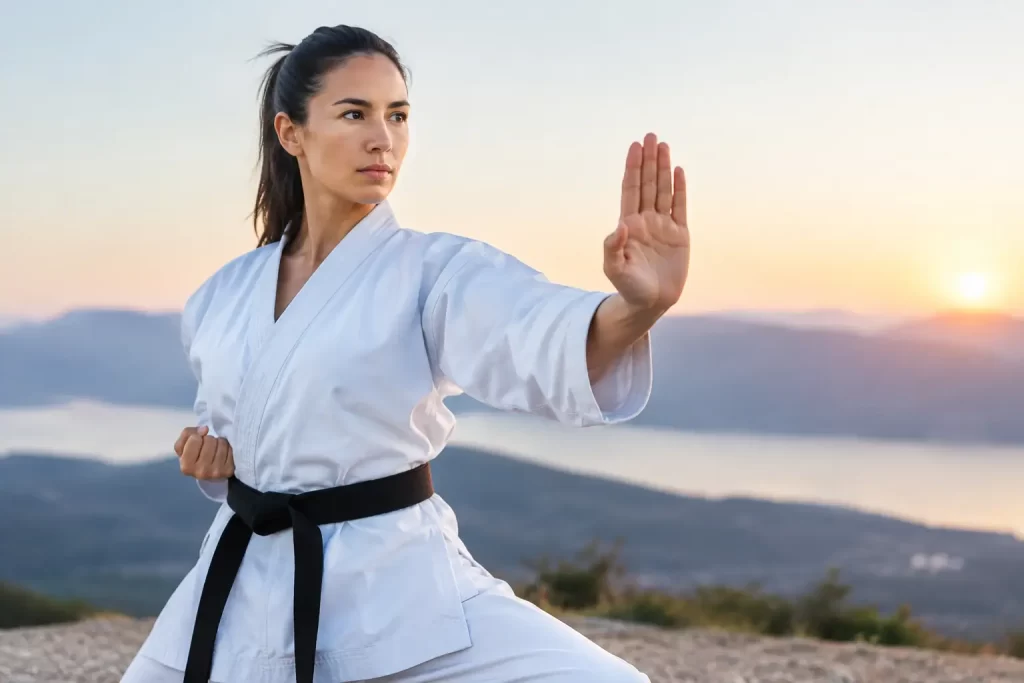
The workday ends, but your mind is still answering emails, replaying conversations, and racing through tomorrow’s to-do list. Martial arts for stress relief gives that energy somewhere useful to go. For one hour, you are not stuck in your head. You are moving, learning, breathing, and focusing on the person in front of you.
That shift matters. Stress does not always disappear because we tell ourselves to relax. Often, the body needs a physical outlet before the mind can settle down. A structured class can provide that outlet while helping you build real fitness, self-defense skills, confidence, and discipline.
Why Martial Arts Relieve Stress Differently
A walk, a workout, or a quiet night at home can all help after a demanding day. Martial arts add something many people are missing: complete engagement. Brazilian Jiu-Jitsu, boxing, kickboxing, and mixed martial arts require attention to movement, timing, technique, and control. There is little room to keep mentally scrolling through the day.
When you are drilling a combination on pads, working through a Jiu-Jitsu position, or practicing footwork, your focus becomes immediate. You have a clear task and direct feedback from an instructor or training partner. That concentrated attention can create a break from the mental noise that follows work, parenting, school, or daily responsibilities.
Training also gives stress a controlled physical expression. Hitting pads in kickboxing or boxing is not about taking frustration out on another person. It is about learning mechanics, maintaining balance, controlling your breathing, and putting power where it belongs. On the Jiu-Jitsu mats, pressure becomes a problem to solve instead of something to fear. You learn to stay calm, protect yourself, and make smart decisions even when a position feels uncomfortable.
The Benefits Continue After Class
The first benefit many students notice is simple: they sleep better after training. Physical exertion can help release the tension that has been building in the shoulders, jaw, back, and hips all day. A consistent routine also gives your week a healthier rhythm. Instead of carrying stress from the office to the couch, you have a planned time to train and reset.
Over time, martial arts can strengthen the habits that make everyday stress more manageable. You practice showing up when motivation is low. You learn that progress comes from repetition, not perfection. You get comfortable being a beginner and working through challenges one step at a time.
That carries over when life gets demanding. A difficult project, an uncomfortable conversation, or a busy family schedule may still be stressful, but you have more evidence that you can stay composed and keep moving forward. Confidence is not just feeling tough. It is knowing you can handle effort, uncertainty, and pressure without quitting.
Choosing the Right Martial Art for Stress Relief
The best program depends on what kind of outlet you need and what will keep you coming back. There is no single discipline that works for everyone.
Brazilian Jiu-Jitsu for a Mental Reset
Brazilian Jiu-Jitsu is often described as physical chess because it asks you to solve problems while training with a partner. You learn positions, escapes, controls, and submissions through technique rather than brute strength. This makes it a strong fit for people who want exercise but also need their mind fully occupied.
A Jiu-Jitsu class can be demanding, but it is not mindless. You are constantly learning how to use leverage, posture, timing, and patience. Some professionals find that this mental challenge is exactly what helps them stop thinking about work. The trade-off is that Jiu-Jitsu involves close-contact training, so it may feel unfamiliar at first. A beginner-friendly academy will teach you how to train safely and respectfully from day one.
Boxing and Kickboxing for a Physical Outlet
Boxing and kickboxing are excellent choices when you want to move, sweat, and leave class feeling lighter. Pad work, bag drills, footwork, conditioning, and combinations can turn a stressful day into focused effort. You do not need to arrive in shape or have previous combat-sports experience. The goal is to learn proper technique at your own level while gradually improving your endurance and power.
These classes can be especially satisfying if your stress shows up as restless energy. You get the cardiovascular challenge of a serious workout, along with the confidence that comes from developing practical striking skills. Hard training should still be smart training, though. Good coaching emphasizes form, control, and appropriate intensity rather than asking beginners to go all-out every round.
Mixed Martial Arts for Variety and Growth
MMA combines striking, grappling, movement, and conditioning. For some students, the variety keeps training exciting and makes it easier to stay consistent. You can develop a well-rounded skill set while challenging yourself in new ways.
MMA may not be the first choice for everyone. If you are brand new and feeling nervous, starting with a dedicated Jiu-Jitsu, boxing, or kickboxing class can make the learning curve feel more manageable. The right starting point is the one that helps you build confidence and keeps you training regularly.
How to Make Training a Real Stress-Management Habit
The biggest stress-relief benefit comes from consistency, not from one perfect class. Two or three sessions a week can create a dependable outlet without taking over your schedule. Pick class times that work realistically with your job, commute, school, and family commitments.
Give yourself permission to train at your current level. You do not need to win every round, keep up with the most experienced student, or leave exhausted every time. Some days, training hard will feel great. On other days, drilling technique, moving carefully, and being present is enough. Listening to your body is part of disciplined training.
It also helps to arrive a few minutes early. Put the phone away, change into your training gear, and let that transition signal the end of the day. After class, take a moment before rushing back into responsibilities. Notice that your breathing is slower, your body is tired in a good way, and your attention has returned to the present.
A Supportive Gym Changes the Experience
Stress relief is harder to find in an environment where you feel judged, lost, or pressured to prove yourself. The right academy should be serious about training while still welcoming people who have never put on gloves or stepped onto a mat.
At Champions BJJ, beginners can train alongside experienced students in a culture built around accountability, respect, and steady improvement. Experienced instructors help students learn safely, while training partners make the room feel less like a fitness class and more like a team. That community matters when work is demanding or motivation drops. People are more likely to stay consistent when they know they belong.
This is just as valuable for families. Kids need a constructive way to work through school pressure, social challenges, and big emotions. Martial arts can teach them how to listen, follow through, use self-control, and develop confidence without pretending they have everything figured out. Parents get the added benefit of seeing their child work toward goals in a positive, structured setting.
Start Where You Are
You do not need to be naturally athletic, aggressive, flexible, or experienced to benefit from martial arts. You only need a willingness to learn and a place where coaches meet you at your starting point. The first class may feel new, but that is often the beginning of a better routine.
When stress has been taking up too much space, put something stronger in its place: a regular hour to train, learn, and reconnect with what your body and mind can do. A free trial class can be a simple first step toward leaving the day’s pressure outside the gym and walking back out with a clearer head.
