
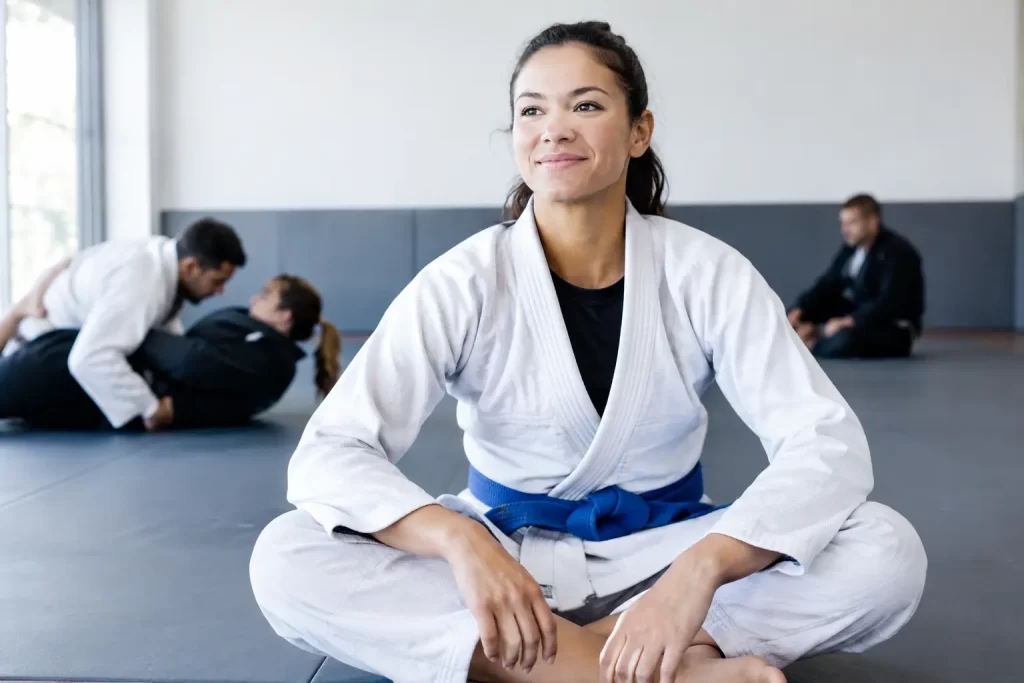
The hardest part of Brazilian Jiu-Jitsu is often walking through the door for the first time. You may be worried about being out of shape, not knowing what to wear, or getting paired with someone far more experienced. If you are wondering how to start Brazilian Jiu Jitsu, here is the truth: every confident student on the mat was once the new person trying to remember where to stand.
BJJ is a practical martial art built around control, positioning, escapes, submissions, and the ability to stay calm under pressure. It can help you get in better shape, learn real self-defense, manage stress, and build confidence through steady effort. You do not need athletic experience or prior martial arts training to begin. You need a good academy, a willingness to learn, and the consistency to come back after day one.
Choose an Academy That Welcomes Beginners
Your first gym matters. Technical instruction is important, but so is the culture surrounding it. A good Brazilian Jiu-Jitsu academy should make beginners feel safe asking questions, give clear direction during class, and pair newer students with training partners who know how to work responsibly.
Look for instructors who teach in a structured way rather than simply demonstrating advanced techniques and expecting everyone to keep up. In a beginner-friendly class, coaches explain the purpose of a movement, break it into manageable steps, and help you understand what to focus on before you try it live.
The room should feel focused without being hostile. BJJ is challenging, and you will work closely with other people, but training does not need to be intimidating. The best academies develop skilled competitors and disciplined students while still treating newcomers, parents, and kids with respect.
A trial class or consultation is a smart way to judge the fit. Pay attention to how the coaches greet you, how students treat one another, and whether you can picture yourself returning consistently. The right gym is not necessarily the one with the fanciest lobby. It is the one where you can train hard, learn safely, and feel accountable to a team.
What to Expect at Your First BJJ Class
Most first classes begin with a warmup that prepares your body for the movements used in grappling. You may practice shrimping, bridging, technical standups, forward rolls, or hip movements. They can feel unfamiliar at first, but these drills build the coordination you will use every time you escape, defend, or improve your position.
After warmups, the instructor usually teaches a specific technique. This may be an escape from the bottom, a guard pass, a sweep, or a basic submission. You will watch the technique, practice it with a partner, and receive coaching as you repeat the movement. Do not worry if you cannot remember every detail. Beginners improve by hearing the same core ideas many times.
Some classes include positional sparring or live rolling. Positional sparring starts from a defined situation, such as side control or closed guard, with a clear goal for each student. Live rolling is a more open round where partners apply techniques against resistance. Whether you roll on your first day depends on the academy, the class format, and your comfort level.
There is no prize for going as hard as possible. Your first goal is to learn how to move, breathe, and communicate. Tap early when you are caught in a submission, tell your partner you are new, and ask if you are unsure about a drill. Good training partners will help you learn without trying to prove something at your expense.
What You Need to Bring
For a first class, ask the academy whether you need a gi, the traditional jacket-and-pants uniform used in many BJJ programs. Some gyms provide a loaner gi or allow you to wear athletic clothes for a trial class. If the session is no-gi, you will usually wear a fitted athletic shirt and shorts or leggings without pockets, zippers, or loose fabric.
Bring water, flip-flops or slides for walking off the mat, and a small towel if you prefer. Keep your fingernails and toenails trimmed, arrive clean, and wear fresh training clothes. These are simple details, but they show respect for the people training around you.
Remove jewelry before class. Rings, watches, earrings, and necklaces can get caught during grappling. If you have a medical condition, old injury, or concern about intensity, let the instructor know before training begins. Coaches can often offer adjustments, but they need the information to help you train wisely.
How to Start Brazilian Jiu Jitsu When You Feel Out of Shape
Many people wait to start BJJ until they lose weight, improve their flexibility, or get stronger. That usually turns into a long delay. Brazilian Jiu-Jitsu can be part of the process that gets you there.
You will probably feel tired after your first few sessions. Grappling uses your grip, core, hips, neck, and cardio in ways a typical gym workout may not. Being sore is normal, especially when your body is adapting to new movements. Sharp pain, dizziness, and joint pain are not things to push through. Learn the difference, rest when necessary, and tell your coach if something feels wrong.
Start at a pace you can sustain. Two classes a week is enough to build momentum for most adults with work and family responsibilities. If you can train three times a week without sacrificing recovery, great. If once a week is what your schedule allows at first, commit to it and build from there.
Outside the academy, basic habits make a real difference: sleep enough, drink water, eat balanced meals, and take walks or do light mobility work on non-training days. You do not need a complicated fitness plan before you begin. Consistent mat time will tell you what your body needs.
Train for Learning, Not for Winning Every Round
BJJ gives beginners a fast lesson in humility. A smaller, more experienced person may control you with techniques that seem simple once you understand them. That can be frustrating, but it is also proof that the system works.
Your job during the first months is not to win rounds against people who have trained longer. Focus on small improvements: remembering how to frame when someone pressures you, escaping mount one time, staying calm when you are tired, or asking a better question after class. Those moments add up faster than trying to force a submission.
Choose partners who make you better. You will train with people of different sizes, ages, and experience levels, and each round teaches something different. Still, you should feel safe. Intensity has a place in combat sports training, but control is nonnegotiable. A responsible academy teaches students to protect their partners so everyone can continue progressing.
For parents, this is one reason BJJ can be especially valuable for children. Kids learn to follow instruction, manage emotions, solve problems under pressure, and respect teammates. They also gain confidence from seeing that effort and discipline lead to real progress.
Build a Routine That Keeps You Coming Back
Motivation gets you to your first class. Routine carries you through the weeks when work is busy, school is demanding, or you do not feel like training. Put your classes on the calendar like any other important appointment. Pack your gear before you need it. Make attendance easier than skipping.
It also helps to accept that progress will not look the same every week. Some days you will feel sharp and energetic. Other days, a technique will not click or a round will feel difficult. Keep showing up. In Brazilian Jiu-Jitsu, the people who improve are rarely the ones who had the easiest first class. They are the ones who stayed patient enough to become competent.
At Champions BJJ, new students are not expected to arrive as fighters. They are expected to arrive ready to learn, support their teammates, and put in honest work. That is how a beginner becomes part of a stronger, more confident community.
Your first class does not need to be perfect. Put on the training clothes, introduce yourself, listen closely, and take one lesson home with you. The confidence you want is built one controlled round, one new skill, and one return to the mat at a time.
